
Leading Demolition Equipment for Professional Use
Equip your team with powerful, durable machinery designed to meet the rigorous demands of demolition service projects.
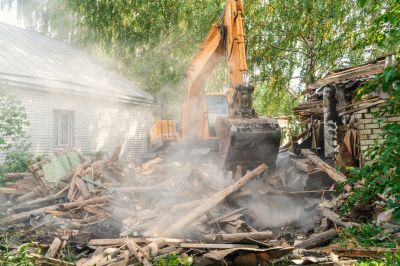 Demolition services in Cedar Park, TX, require a diverse array of tools and equipment to handle various types of projects, from small interior demolitions to large-scale structural removals. Selecting the right products ensures safety, efficiency, and precision during demolition tasks. Whether dismantling a building, removing concrete, or tearing down specific structures, having reliable and suitable equipment is crucial for a successful project.
Top Overall Option
Heavy-Duty Demolition Hammer
A versatile demolition hammer offers powerful impact capabilities suitable for breaking through concrete, brick, and stone. Designed for durability and ease of handling, it is an essential tool for various demolition tasks, providing controlled force to efficiently dismantle structures while maintaining user safety and comfort.
Types of Products For Demolition Service
Demolition Hammers
Handheld tools designed for breaking concrete, masonry, and other hard materials with focused impact force.
Rotary Drills
Power tools used for drilling into tough materials, often equipped with chipping functions for demolition tasks.
Hydraulic Breakers
Heavy machinery attachments that deliver powerful blows to break apart concrete and rock surfaces.
Concrete Saws
Equipment for cutting through concrete, asphalt, and other hard surfaces with precision and control.
Wrecking Balls
Large, heavy balls used for knocking down large structures, typically in industrial demolition projects.
Skid Steer Loaders
Versatile compact machinery equipped with various attachments suitable for demolition and debris removal.
Hydraulic Shears
Attachments for excavators used to cut through steel, rebar, and other tough materials during demolition.
Dust Suppression Systems
Equipment designed to minimize dust during demolition activities, improving site safety and visibility.
Safety Barriers and Fencing
Protective barriers to secure the demolition site and prevent unauthorized access.
Debris Containers
Large bins or dumpsters for efficient debris collection and removal from demolition sites.
Jackhammers
Portable pneumatic tools for chipping, breaking, and demolishing concrete and asphalt.
Concrete Crushers
Machines that crush concrete into manageable sizes for removal or recycling.
Scaffolding and Ladders
Support structures to access elevated areas safely during demolition work.
Vibratory Plate Compactors
Equipment used to compact soil or debris after demolition to prepare for new construction.
Protective Gear
Safety equipment such as helmets, gloves, goggles, and respirators essential for demolition safety.
Utility Knives and Hand Tools
Basic hand tools for detailed demolition work and finishing touches.
Popular Choices
Portable and convenient for various demolition tasks, offering mobility without cords.
Widely used for breaking concrete and asphalt with ease and reduced noise levels.
Popular for use with excavators to handle large-scale concrete and rock removal.
Handheld saws favored for their maneuverability in cutting through concrete and asphalt.
Efficient containers for collecting and transporting demolition debris on-site.
Essential protective headgear for all demolition personnel.
Popular for reducing airborne dust during demolition activities.
Commonly used attachments like grapples and breakers for versatile demolition work.
Tools designed for cutting steel reinforcement bars efficiently during concrete demolition.
Popular for compacting soil and debris after demolition tasks.
Worn to enhance visibility and safety on busy demolition sites.
Machines favored for reducing large concrete pieces into manageable sizes.
Essential for safely lifting heavy demolition materials and equipment.
Used to illuminate work areas during evening or low-light demolition activities.
Versatile tools for cutting through various materials during detailed demolition work.
In demolition work, safety is paramount. Proper protective gear, sturdy tools, and heavy-duty machinery help mitigate risks associated with debris, dust, and structural instability. The right equipment can also streamline the process, reducing labor time and improving overall project outcomes. It's important to consider the specific requirements of each job, including the material to be demolished, the scale of the project, and the environment in which the work takes place.
Additionally, versatility in demolition tools allows contractors and DIY enthusiasts to adapt to different scenarios. From handheld power tools for detailed work to larger machinery for bulk removal, having a comprehensive set of products can make a significant difference. Proper maintenance and understanding of each product’s capabilities also contribute to safer and more effective demolition operations.
Choosing products designed for durability and ease of use can help ensure that projects in Cedar Park, TX, are completed efficiently. Consulting with local suppliers and considering the specific needs of each demolition task can guide you toward the most suitable equipment. With the right selection, demolition work can be performed safely, swiftly, and with precision, paving the way for successful construction or renovation projects afterward.
Key Buying Considerations
- Type and scope of demolition project to determine suitable equipment.
- Material to be demolished, such as concrete, steel, or masonry.
- Power source preferences: electric, pneumatic, hydraulic, or battery-operated.
- Safety features and certifications to ensure compliance with local regulations.
- Ease of handling and ergonomic design for operator comfort.
- Durability and build quality to withstand demanding demolition tasks.
- Availability of replacement parts and maintenance support.
- Site accessibility and space constraints affecting equipment choice.
- Noise levels and vibration impact on surrounding areas.
- Budget considerations without compromising safety and effectiveness.
- Compatibility with existing machinery or tools on-site.
- Versatility of equipment for multiple types of demolition activities.
- Weight and portability for ease of transport and maneuverability.
- Environmental conditions, such as dust and debris management needs.
- Training and user-friendliness of the equipment for operators.
This content may contain affiliate links. We may earn a commission at no additional cost to you when you purchase through these links.